
Is Netflix Crashing? Stranger Things 5 Overwhelms Streaming Giant
Millions rush to watch final season, bringing streaming platform to its knees — again
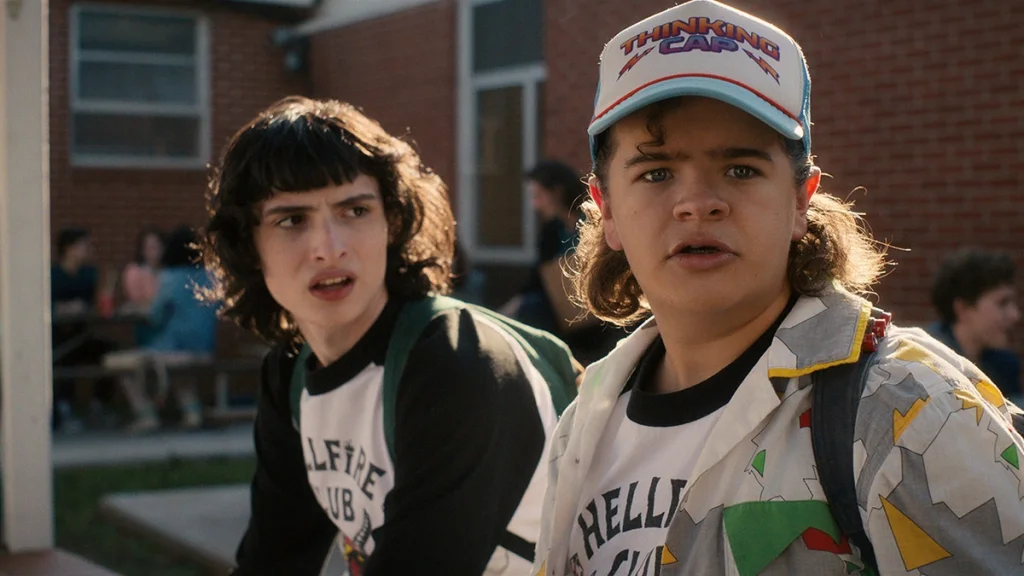
The lights flickered across living rooms worldwide Wednesday evening, but this time it wasn't the Upside Down causing havoc — it was Netflix's own servers buckling under the weight of millions desperate to witness the beginning of the end for Hawkins, Indiana.
At precisely 5 p.m. Pacific Time on November 26, as Stranger Things Season 5 premiered, the streaming service crashed for approximately three minutes, leaving tens of thousands of subscribers staring at error messages instead of Eleven's return to the screen. The platform continued experiencing glitches for some users even after the initial outage resolved.

"Something went wrong," the error message read, accompanied by an image from Netflix's baking show Nailed It! — an ironic choice given the circumstances. "Sorry, we're having trouble with your request."
For a platform that revolutionized how we consume entertainment, the crash felt almost prophetic. Here was Netflix, the company that taught us to binge-watch entire seasons in a weekend, unable to handle the very phenomenon it created.
A Pattern of Overwhelm
This isn't Netflix's first rodeo with capacity issues, and Stranger Things has been the culprit before. In July 2022, the platform experienced similar difficulties when Season 4's final episodes dropped, suggesting the Duffer Brothers' creation has become something of a stress test for streaming infrastructure.
But the problem runs deeper than one show. Just a year ago, in November 2024, Netflix stumbled spectacularly during the Mike Tyson-Jake Paul boxing match — the platform's ambitious foray into live sports streaming. More than 98,000 users reported outages during that event, with viewers experiencing buffering, pixelation, and complete crashes throughout the undercard bouts. Similar to how FanDuel left bettors stranded during peak NFL Sunday, Netflix's technical failures during high-stakes moments reveal the fragility of our digital entertainment infrastructure.
"Some members briefly experienced an issue streaming on TV devices, but service recovered for all accounts within five minutes."
— Netflix spokesperson
The company's response was characteristically measured, but the pattern is undeniable. Despite Ross Duffer revealing that Netflix increased bandwidth by 30 percent to avoid a crash, the precaution proved insufficient against the tidal wave of fans who had waited three years for this moment.
The Human Cost of Technical Failure
Social media erupted with frustrated viewers, their anticipation curdling into disbelief. "NETFLIX FIX YOURSELF RIGHT NOW BRO, IVE BEEN WAITING THREE YEARS," one user wrote on X, capturing the collective anguish of a fanbase that had marked calendars and cleared schedules for this premiere.
The outage speaks to something larger than mere inconvenience. In an era where streaming platforms have replaced water cooler conversations with synchronized global viewing experiences, a crash doesn't just interrupt entertainment — it disrupts community. Fans who planned watch parties found themselves refreshing apps instead of gasping at plot twists together. Those hoping to avoid spoilers faced an impossible choice: stay offline until service restored, or risk having the season's secrets revealed through frustrated social media posts.
This mirrors broader concerns about our dependence on centralized entertainment platforms. When Arc Raiders left players stranded as servers struggled, it highlighted how digital experiences can crumble when infrastructure can't match demand. The same vulnerability plagues even the most sophisticated streaming operations.
The Live Streaming Learning Curve
Netflix's struggles with live content reveal a uncomfortable truth about the streaming revolution: on-demand mastery doesn't automatically translate to live broadcast competence. The platform that perfected the art of serving buffered content to millions individually now grapples with delivering simultaneous streams to that same audience.
The Mike Tyson-Jake Paul debacle last year should have served as a wake-up call. Netflix co-CEO Ted Sarandos later admitted they "pushed the limits of the internet itself" during that event, which drew 108 million viewers. Yet here we are again, watching Stranger Things fans suffer through similar technical difficulties — albeit brief ones — for a scripted show release that should have been more predictable.
The difference matters. Live sports carry inherent unpredictability in viewership patterns. But a scripted series premiere? Netflix knew exactly when millions would click play. They increased bandwidth. They prepared. And still, the platform buckled.
Industry observers might compare this to other high-profile technical failures, like when Jayden Daniels' injury cast a shadow over the Commanders' season — moments where anticipation meets disappointment in real-time, leaving audiences grappling with outcomes nobody wanted.
What This Means for Netflix's Future
The streaming giant has staked significant resources on live content, with NFL games on Christmas Day 2024 reportedly streaming flawlessly and more sports programming in the pipeline. The Stranger Things crash, while brief, raises questions about consistency and reliability as Netflix transforms from an on-demand library into a live entertainment destination.
For subscribers paying premium prices, these outages — however temporary — erode trust. The platform that taught us to expect instant gratification now occasionally reminds us that even in the digital age, nothing is guaranteed. Within minutes, many viewers reported service returning, suggesting Netflix's recovery protocols have improved since the Tyson-Paul disaster. But "improved" isn't the same as "flawless."
The situation parallels other recent digital stumbles in entertainment and sports media. Just as Brad Biggs sparked debate over the NFL's light touch on technical failures, Netflix's repeated struggles invite scrutiny of whether streaming infrastructure receives adequate investment relative to content production budgets.
The Bigger Picture
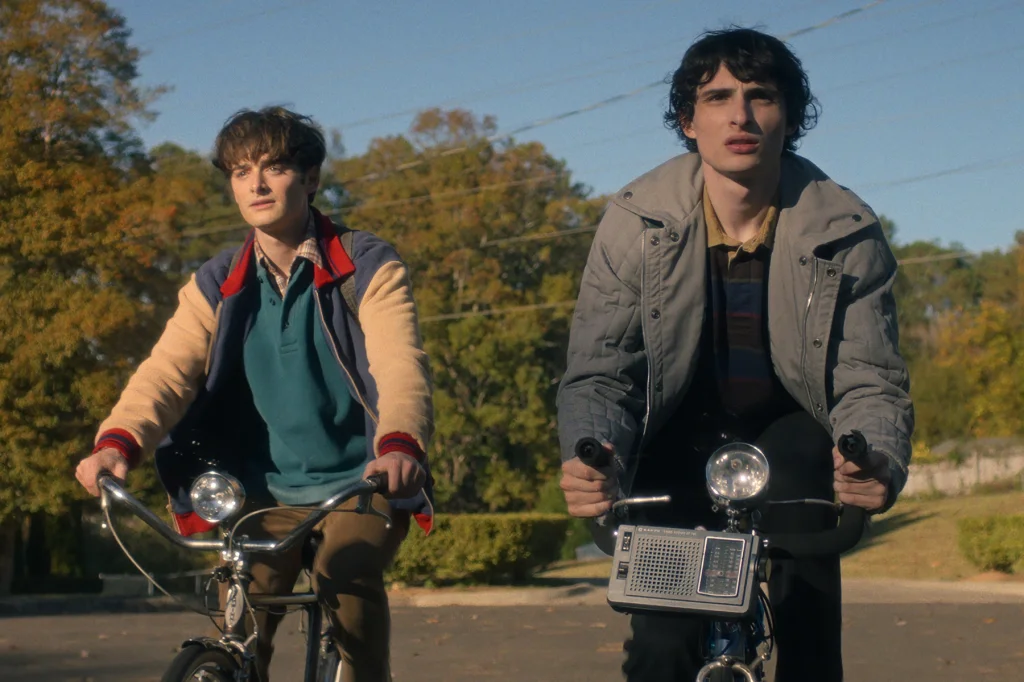
As Stranger Things marches toward its conclusion — with Volume 2 dropping December 25 and the series finale on December 31 — Netflix faces a crucial test. Can it deliver the remaining episodes without incident? Will the finale, which will also screen in theaters, overwhelm servers once more?
The answers matter not just for Stranger Things devotees, but for the future of streaming itself. As platforms increasingly compete for live sports rights, breaking news, and event programming, their ability to handle simultaneous massive viewership becomes as important as their content libraries.
Wednesday's crash lasted only minutes, but in the age of instant gratification and social media immediacy, minutes feel like hours. Fans who've waited three years deserve better. Netflix, with its billions in revenue and technological sophistication, can deliver better.
The question is: will they?
For more insights on digital entertainment and sports media, explore our coverage of Marvel Rivals' Twitter phenomenon and Embark Studios' Arc Raiders success story.
Related Articles


