How To Get My Husband On My Side: Reddit's Manhwa Sensation
A Korean webtoon about survival, trauma, and political marriage has become Reddit's most emotionally debated story, revealing deeper truths about trust and healing
In the endless scroll of Reddit's relationship advice forums, one phrase appears with surprising frequency: "how to get my husband on my side." But for thousands of users in November 2025, this isn't a desperate plea for marital guidance—it's the title of a Korean manhwa that has sparked some of the most psychologically sophisticated discussions the platform has ever hosted about trauma, power, and the long road to healing.
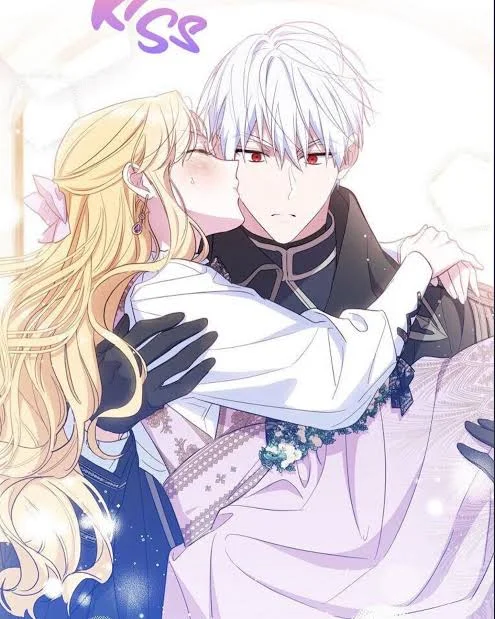
"How to Get My Husband on My Side" tells the story of Rudbeckia de Borgia, a woman who dies escaping an abusive life only to wake up as a minor villain in a historical novel—one destined to be killed by her own husband. Now she must convince Izek van Omerta, the cold Northern paladin she's been forced to marry, that she's harmless enough to keep alive. It's survival disguised as romance, psychology wrapped in fantasy, and Reddit cannot stop dissecting every chapter.
The Story That Became a Phenomenon
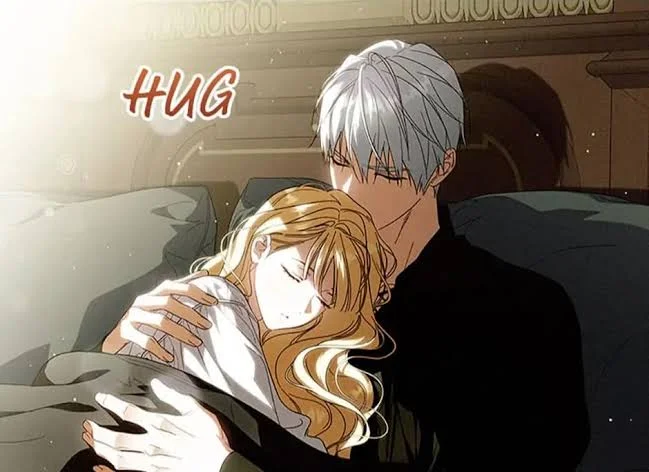
The premise begins with a death and a dark awakening: a woman escapes her hellish life in an airplane crash, only to wake up as Rudbeckia de Borgia, trapped in the dysfunctional Borgia family and forced into a political marriage with the very paladin who will eventually kill her. Her strategy is desperate but clear: appear harmless, protect Izek's younger sister whom she killed in the original timeline, and somehow convince everyone she deserves to live.
The series, originally a Korean web novel by Spice&Kitty with stunning artwork by SIRU, has been adapted into a manhwa available on platforms like Webtoon and Tapas. Throughout 2025, each new chapter release has become an event, with Reddit communities gathering to analyze Ruby's survival strategies, debate Izek's motivations, and process their own emotional responses to a story that refuses to offer easy comfort.
The numbers tell part of the story—thousands of upvotes, hundreds of comments per thread, fan art flooding social media platforms. But statistics don't capture the raw emotional honesty that defines these discussions, where readers share their own experiences with family trauma, abusive relationships, and the exhausting work of learning to trust again.
Why Reddit Can't Stop Analyzing It
On subreddits dedicated to manhwa, romance, and fantasy literature, "How to Get My Husband on My Side" generates a different kind of engagement than typical series. These aren't surface-level reactions about plot twists or attractive characters—they're deep psychological explorations of trauma responses, power dynamics, and what it means to build safety when safety has never existed.
One recent thread titled "Ruby's hypervigilance is the most realistic portrayal I've seen" accumulated over 700 comments from readers sharing their own experiences with PTSD, people-pleasing behaviors, and the constant mental calculus of surviving hostile environments. Users cataloged every moment Ruby reads a room for danger, every time she makes herself smaller to avoid drawing attention, every calculated smile designed to defuse potential violence.
"This manhwa understands trauma in ways most stories don't," wrote one highly upvoted comment. "Ruby doesn't just 'get over' her past because she meets a decent person. She carries it in every interaction, every flinch, every time she apologizes for existing. That's what healing actually looks like—messy and nonlinear and exhausting."
Despite descriptions that might make the protagonist sound pitiful, readers consistently emphasize that Ruby is incredibly strong and interesting, a character whose survival strategies reveal remarkable intelligence and resilience.
Similar patterns of deep engagement emerge across digital communities. When content resonates on psychological levels, audiences move beyond passive consumption to active interpretation, building communities around shared emotional experiences.
The Visual Language of Survival
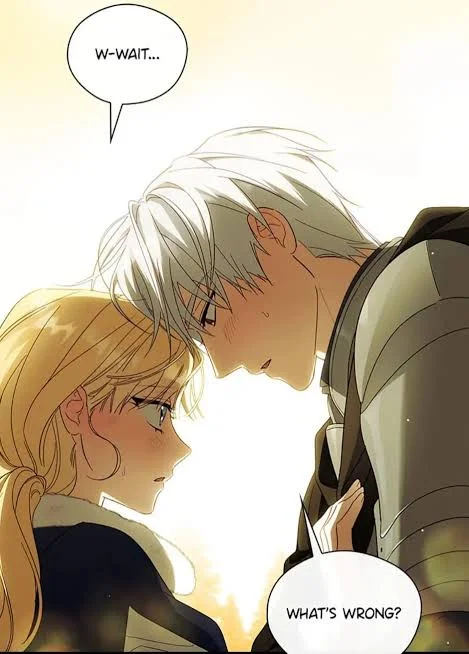
Part of the series' devastating effectiveness comes from SIRU's artwork. The manhwa format—designed for vertical scrolling on mobile devices—creates an immersive experience where each panel can fill your entire screen. Ruby's micro-expressions tell stories the dialogue doesn't—the way her eyes dart toward exits even in supposedly safe moments, the tension in her shoulders when male voices rise, the practiced brightness of smiles that don't reach her eyes.
When Ruby experiences flashbacks or dissociative episodes, the art shifts dramatically. Colors desaturate, panel borders fracture and overlap, and past traumas bleed into present moments with visceral immediacy. It's visual storytelling that doesn't just depict psychological damage but makes readers experience it, creating uncomfortable empathy that lingers long after you've scrolled past.
Fan artists have created thousands of tributes on platforms like TikTok and Instagram, often set to melancholic music that amplifies the story's emotional peaks. These edits serve dual purposes—celebrating the narrative while introducing new readers through carefully curated moments that showcase both the beautiful artwork and devastating emotional core.
Character Complexity That Defies Genre Boundaries
What elevates "How to Get My Husband on My Side" beyond typical fantasy romance is its refusal to simplify anyone. Ruby isn't a passive victim or a girlboss protagonist overcoming adversity through sheer determination. She's a deeply traumatized person doing whatever it takes to survive, which sometimes means manipulating others, lying convincingly, and weaponizing her perceived weakness.
The series asks uncomfortable questions: Can genuine affection develop when one person holds life-or-death power over the other? Is Ruby's kindness real if it's performed as survival strategy? At what point does Izek's protection become possessive control rather than genuine care?
Izek van Omerta emerges as equally layered. Initially presented as cold and dangerous—the North's finest paladin, devoted to duty and suspicious of the Borgia family's machinations—subsequent chapters reveal his own traumatic history. His emotional distance stems from survival mechanisms remarkably similar to Ruby's, just expressed differently through power rather than apparent weakness.
Ruby's strategy is clear but desperate: appear harmless to the Northern people, protect Izek's little sister whom she killed in the original timeline, and convince everyone through consistent behavior that she's worthy of living. The performance becomes increasingly complicated as genuine emotions develop, blurring lines between calculated survival and authentic connection.
Supporting characters add further complexity. Freya, Izek's younger sister who was supposed to die at Ruby's hands, becomes one of her fiercest protectors. The Northern nobles who initially view Ruby with suspicion gradually recognize her genuine kindness—though Ruby herself questions whether any kindness performed under existential threat can truly be called genuine.
The Reddit Analysis Machine
What distinguishes Reddit discussions from other platforms is the analytical depth and psychological sophistication. Users don't just react emotionally—they track character development across dozens of chapters, debate ethical implications of Ruby's choices, and apply actual therapeutic frameworks to analyze healing arcs.
One ongoing thread catalogs every instance of Izek showing genuine care versus performative protection, building evidence for competing interpretations of his character. Is he a man learning to love someone he was taught to view as an enemy? Or is his growing attachment another form of possession, ownership disguised as affection?
Another popular series of posts tracks Ruby's healing journey through specific behavioral changes: maintaining eye contact without flinching, expressing preferences without immediately apologizing, accepting gifts without calculating what favor she'll owe in return. These granular observations reflect readers who recognize trauma recovery from personal experience, applying their own therapeutic knowledge to fictional characters.
The Novel Updates Forum and various Reddit communities host extensive spoiler discussions where readers who've finished the original Korean novel provide context that manhwa-only audiences miss. These threads reveal communities deeply invested in understanding not just what happens but why—the psychological motivations, historical context, and thematic significance underlying every character choice.
This level of engagement mirrors broader trends in how audiences interact with complex narratives. When stories tackle difficult emotional terrain, communities form around collective interpretation, creating spaces where processing challenging themes becomes a shared experience rather than solitary struggle.
Trauma, Trust, and the Politics of Marriage
At its core, "How to Get My Husband on My Side" explores whether genuine trust can develop in circumstances of coercion. Ruby enters marriage expecting violence because violence is all she's known. Every kindness from Izek feels like a trap because kindness has always preceded punishment in her experience. Her father's occasional gentleness made the subsequent cruelty more devastating; her brothers' rare approval came with impossible conditions attached.
The series doesn't offer quick fixes or magical healing through love. Instead, it meticulously tracks the slow, painful process of building safety—testing boundaries, experiencing setbacks, learning through repeated evidence that not every raised voice precedes violence, not every mistake results in punishment.
Reddit discussions frequently focus on these realistic portrayals of recovery. Users share their own healing journeys, finding validation in seeing Ruby's struggles reflected on the page. Comment sections become informal support groups where people discuss hypervigilance, trust issues, and the exhausting cognitive load of maintaining survival mechanisms that no longer serve their original purpose.
"I've been in therapy for years dealing with family trauma," one user wrote in a comment that received hundreds of upvotes, "and this manhwa captures things my therapist has explained better than any psychology textbook. Ruby's constant calculating, her people-pleasing, the way she dismisses her own needs as irrelevant—I see myself in every chapter. It helps to know I'm not alone in this."
The Political Marriage as Metaphor
While the literal plot involves political intrigue and fantasy elements, the forced marriage serves as powerful metaphor for any situation where people must make relationships work with those who hold power over them. Ruby can't simply leave Izek—her survival depends on his protection from her own family's machinations and the political forces that view her as a disposable pawn.
This dynamic resonates with readers who've navigated relationships with massive power imbalances—whether with employers who control livelihoods, family members who wield financial or emotional leverage, or romantic partners whose goodwill determines quality of life. The question isn't whether Ruby loves Izek, but whether she can ever truly choose to love him when refusing him could mean death.
The series explores these uncomfortable questions without offering platitudes. Can genuine affection develop from coerced proximity? Does Izek's growing care for Ruby negate the fact that he initially viewed her as a necessary political burden? At what point does protection become another form of control, safety indistinguishable from captivity?
These aren't academic questions for many readers—they're lived experiences. The discussions reveal people grappling with their own histories of staying in harmful situations because leaving felt more dangerous than staying, of confusing protection with possession, of wondering whether affection that developed under duress can ever be considered freely given.
The Manhwa Renaissance and Global Resonance
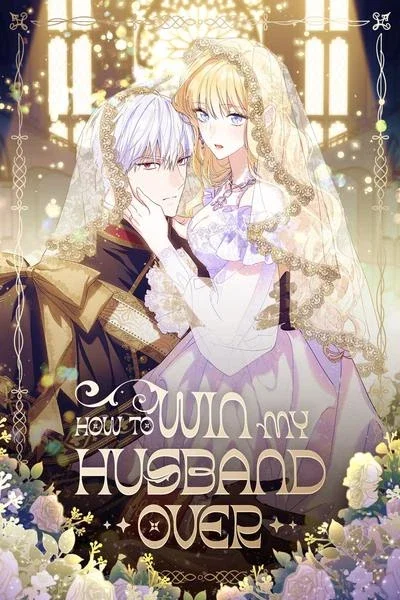
"How to Get My Husband on My Side" rides the broader wave of Korean manhwa's explosive international growth. These stories have challenged Japanese manga's historical dominance through innovative formats and willingness to tackle psychologically complex narratives that don't fit neatly into traditional genre categories.
The vertical scrolling format proves particularly effective for this series. Readers scroll through Ruby's experiences in continuous flow, the immersive format amplifying the claustrophobic feeling of her circumstances. When she dissociates or experiences flashbacks, the endless scroll becomes disorienting, making readers feel rather than simply observe her psychological state.
The series' international success raises questions about cultural translation and universal themes. While rooted in Korean storytelling traditions and medieval European-inspired fantasy aesthetics, the core experiences transcend cultural specifics. Surviving hostile family systems, navigating relationships with powerful people, learning to trust after betrayal—these aren't culturally bounded experiences. Abuse and recovery speak languages that need no translation.
Fan translation communities work tirelessly to make new chapters accessible within hours of Korean release, creating parallel distribution networks that both compete with and complement official channels. These unofficial versions demonstrate hunger for immediate access that traditional publishing schedules can't satisfy, building communities around the shared experience of waiting for and collectively processing new developments.
Community Building Through Shared Vulnerability
The Reddit communities surrounding "How to Get My Husband on My Side" have evolved into something beyond typical fandom. They're spaces where people feel safe discussing their own trauma, sharing coping strategies, and processing difficult emotions that the story surfaces. The pseudonymous nature of Reddit facilitates honesty that might feel too vulnerable on more public platforms.
Veteran readers serve as gentle guides for newcomers, often providing detailed content warnings for particularly intense chapters and offering reassurance about Ruby's gradual healing arc. This mentorship dynamic creates supportive environments where vulnerability is met with compassion rather than judgment, where sharing personal experiences strengthens community bonds rather than inviting exploitation.
Fan creations extend the story's life and therapeutic potential. Writers explore alternate universes where Ruby's family wasn't abusive, imagining what kind of person she might have become without trauma shaping every response. Artists illustrate moments of tenderness and safety that provide emotional balance to the narrative's heavier themes. These creative works serve healing purposes for both creators and audiences, offering hope that recovery is possible even from the deepest wounds.
The dynamics reflect broader patterns in how digital spaces foster genuine connection. When communities form around shared emotional experiences, they often transcend the original content that brought them together, becoming support networks that address fundamental human needs for understanding and belonging.
What the Phenomenon Reveals About Contemporary Audiences
The overwhelming response to "How to Get My Husband on My Side" illuminates several cultural shifts. There's clearly hunger for stories that take trauma seriously, that don't expect abuse survivors to simply "move on" or heal through love alone. Audiences are tired of narratives that treat recovery as a montage rather than the messy, nonlinear process it actually is.
The series also reflects growing sophistication around power dynamics and consent. Reddit discussions frequently analyze Ruby's choices through frameworks that acknowledge her "choices" often aren't freely made—that survival calculations masquerade as decisions when the alternative is death. This nuanced understanding represents maturation in how audiences think about relationship ethics and personal agency.
Additionally, the manhwa's popularity suggests audiences increasingly value protagonists whose strength manifests through survival rather than traditional power. Ruby isn't physically strong or magically gifted. She doesn't overcome her circumstances through sheer determination or hidden abilities. Her power lies in reading situations with devastating accuracy, adapting strategies as circumstances shift, and maintaining her humanity despite conditions designed to destroy it.
That's a kind of strength many readers recognize from their own lives—the strength required to keep going when giving up would be easier, to remain kind when cruelty would be justified, to build hope from nothing when despair feels rational. Ruby's journey validates experiences that mainstream narratives often dismiss as weakness, reframing survival itself as a form of heroism.
The Business Behind the Emotional Investment
Behind the organic enthusiasm lies a complex ecosystem of digital publishing and strategic monetization. Platforms like Webtoon and Tapas generate revenue through advertising, premium subscriptions, and microtransactions for early chapter access. "How to Get My Husband on My Side's" popularity drives significant traffic, incentivizing platforms to maintain high production values and consistent release schedules.
The series has spawned merchandise ranging from art prints to character figurines, though the market remains less saturated than for established franchises. Korean production companies increasingly recognize international demand for psychologically complex manhwa, moving beyond the power fantasy and cultivation genres that initially dominated exports.
But commercial success hasn't compromised the story's emotional authenticity—if anything, the resources generated by popularity ensure production quality that serves the narrative. Each chapter's artwork maintains stunning consistency, and the pacing allows necessary breathing room between intense emotional beats rather than rushing toward dramatic moments at the expense of character development.
Looking Forward: The Story Continues
As of November 2025, "How to Get My Husband on My Side" continues its run with Ruby's healing journey far from complete. Recent chapters have delved deeper into Izek's traumatic past, revealing how his emotional distance and need for control stem from his own survival mechanisms. The narrative is building toward genuine partnership—not the calculated performance Ruby initially deployed, but real understanding between two damaged people learning that lowering defenses doesn't always result in devastation.
The Reddit community continues expanding, with new readers discovering the series daily through recommendations, viral TikTok edits, and algorithmic suggestions. Each chapter release becomes a collective event where thousands gather to discuss developments, share theories, and support each other through the story's more difficult moments.
The series' influence extends beyond its immediate readership. Other creators cite it as inspiration for handling trauma sensitively while maintaining narrative tension. Publishers recognize substantial markets exist for fiction treating mental health as seriously as physical danger, for stories acknowledging that survival is just the beginning rather than the happy ending.
The Human Core Beneath the Fantasy
Strip away the fantasy setting, political intrigue, and beautiful artwork, and you're left with fundamentally human questions: Can we heal from what was done to us? Can we learn to trust after trust was weaponized? Is safety possible after living in constant danger? Can we build genuine connections with people who hold power over us?
Ruby's central question—how do I get my husband on my side?—reveals deeper layers as the story progresses. It's really asking: How do I build safety in an unsafe world? How do I trust someone with power over me? How do I distinguish between love and possession, between protection and control? How do I maintain my humanity while doing whatever it takes to survive?
These questions don't have simple answers, which is precisely why the story generates such passionate, sustained discussion. Every reader brings their own experiences with power, trauma, and relationship dynamics. Ruby's journey becomes a lens for examining our own lives—our own compromises, our own struggles to feel safe, our own questions about whether we're truly choosing our relationships or simply making the best of circumstances we didn't select.
"Stories like this matter because they tell the truth about survival—that it's not the end of the story but the beginning. Ruby doesn't become strong by forgetting what happened to her. She becomes strong by learning that surviving doesn't have to define her entire existence anymore."
That transformation—from mere survival to actual living, from constant vigilance to occasional safety, from performance to authenticity—is what keeps readers returning chapter after chapter. We want to see Ruby not just escape death but build a life worth living. We want to witness the moment she realizes she's safe enough to stop calculating every interaction, to show genuine emotions without fear of punishment, to make choices based on desire rather than threat assessment.
The title "How to Get My Husband on My Side" initially suggests manipulation or strategic maneuvering. But as the story unfolds, it reveals deeper meanings: How do you build genuine partnership when you've never experienced it? How do you recognize love when you've only known its weaponized imitation? How do you let someone truly see you when visibility has always meant vulnerability?
In November 2025, thousands of readers worldwide wait eagerly for each new chapter, not just to see what happens next in the plot, but to continue processing their own stories through Ruby's experiences. That's the true power of "How to Get My Husband on My Side"—it's become a shared language for discussing experiences many struggled to articulate, a community built on the revolutionary idea that survival stories deserve to be told with all their complexity, pain, and hard-won hope intact.
The conversations happening in Reddit threads, comment sections, and fan communities aren't really about a fictional character in a fantasy world. They're about all of us who've had to survive things that should never have happened, who've had to learn trust after it was broken, who've had to build safety from nothing when the world felt irredeemably hostile. Ruby's journey reminds us that healing is possible even when it feels impossible, that hope can be built from rubble, and that the strength required to survive is every bit as heroic as the strength required to fight—perhaps even more so.
Related Articles